

Hypermobility Spectrum & Ehlers-Danlos Syndrome (EDS) Treatment
in East Cobb and Marietta, GA
Hypermobility Spectrum & Ehlers-Danlos Syndrome (EDS) Treatment at Integral Physical Therapy
Treatment for hypermobility syndromes and Ehlers-Danlos Syndrome (EDS) focuses on improving joint stability, reducing pain, and enhancing overall function through individualized physical therapy. Our programs emphasize controlled strength training, proprioception (body awareness), and movement retraining rather than stretching, helping protect unstable joints. With a structured, condition-specific approach, patients in Marietta, East Cobb, and surrounding areas in Georgia can safely return to daily activities with greater confidence and reduced risk of injury.
What Are Hypermobility Spectrum Disorders and Ehlers-Danlos Syndrome?
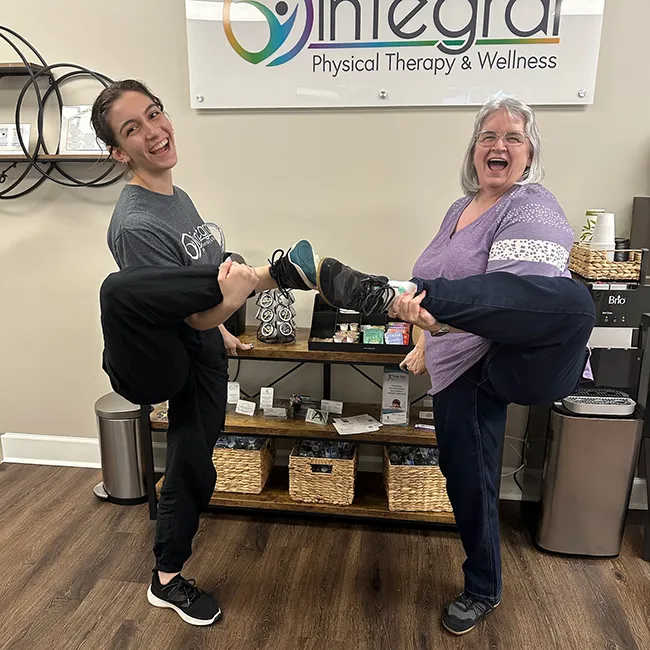
Hypermobility conditions exist on a spectrum. Some individuals simply have flexible joints, while others experience widespread instability and systemic symptoms.
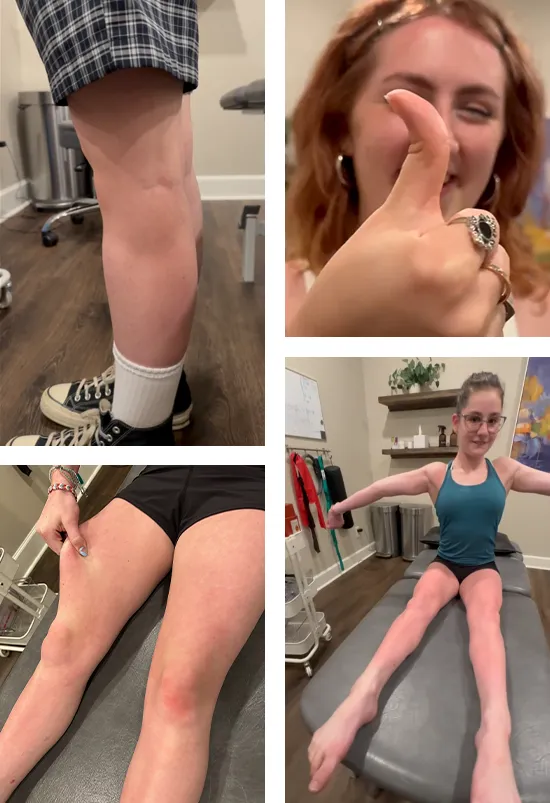
Ehlers-Danlos Syndrome (EDS) is a group of inherited connective tissue disorders that affect collagen—the protein responsible for strength and structure in your body. This can lead to joint hypermobility (joints that move beyond normal range), fragile or stretchy skin, chronic pain and fatigue, and frequent dislocations or subluxations
EDS affects multiple body systems because connective tissue is found throughout the body, including joints, skin, blood vessels, and organs.
Hypermobility Spectrum Disorder (HSD) is a related condition where individuals experience many of the same musculoskeletal symptoms without meeting full diagnostic criteria for EDS.
Common Symptoms of Hypermobility & EDS

Musculoskeletal Symptoms
- Chronic joint pain
- Frequent sprains or strains
- Joint instability or “giving way”
- Recurrent dislocations or subluxations
- Muscle weakness or fatigue
Systemic & Functional Symptoms
- Poor posture and coordination
- Difficulty with balance
- Chronic fatigue
- Headaches or neck pain
- Gastrointestinal or autonomic symptoms (e.g., POTS association)
Skin & Tissue Symptoms (EDS-specific)
- Stretchy or fragile skin
- Slow wound healing
- Easy bruising
Because symptoms vary widely, many patients are misdiagnosed or told their symptoms are “normal flexibility.”
Our Approach
to Hypermobility & EDS Treatment in Marietta, GA
At Integral Physical Therapy, we specialize in treating complex conditions like EDS and HSD.
Traditional physical therapy is typically designed for acute injuries, post-surgical rehab, and general strengthening. However, hypermobility and EDS require a completely different clinical approach. Without proper understanding, common PT strategies can overstretch already unstable joints, actually increase pain or injury risk, and worse yet, fail to address underlying instability.
For hypermobility patients, the goal is not flexibility—it is controlled stability. Here’s how…

Comprehensive Evaluation
We begin with a detailed assessment that goes beyond traditional exams:
- Joint stability and control testing
- Movement pattern analysis
- Postural and gait assessment
- Nervous system and proprioception evaluation

Stability-Based Strength Training
Instead of aggressive stretching, we focus on:
- Deep stabilizing muscle activation
- Controlled strengthening
- Joint protection strategies
- Improving connective tissue and joint integrity

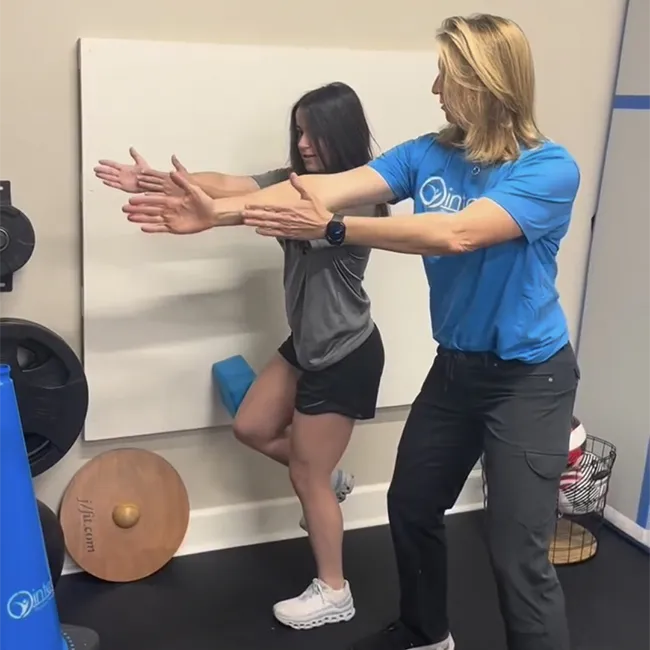
Proprioception & Neuromuscular Control
Many hypermobility patients struggle with body awareness. We incorporate:
- Balance training
- Coordination drills
- Sensorimotor retraining
- Improving how your brain communicates with your joints

Pain Management & Load Management
EDS and HSD often involve chronic pain. We address this through:
- Graded exercise progression
- Activity modification strategies
- Manual therapy (when appropriate)
- Education on pacing and recovery

Functional Movement Retraining
We help you safely return to:
- Work activities
- Exercise and fitness
- Sports participation
- Daily movement without fear
Conditions We Commonly Treat
Our East Cobb / Marietta hypermobility program is designed for patients with:
Hypermobile Ehlers-Danlos Syndrome (hEDS)
Classical EDS
Hypermobility Spectrum Disorder (HSD)
Chronic joint instability
Recurrent dislocations
Chronic pain syndromes
Postural dysfunction
What Makes Our East Cobb / Marietta Program Different?
One-on-One Care
You work directly with a Doctor of Physical Therapy every session.
Condition-Specific Expertise
We understand the nuances of hypermobility and EDS.
Individualized Programming
No cookie-cutter exercises—everything is tailored.
Focus on Root Cause
We don’t just treat symptoms—we address instability and control.
Long-Term Results
Our goal is sustainable improvement, not temporary relief.
Frequently Asked Questions
About Hypermobility & EDS Treatment
Is there a cure for Ehlers-Danlos Syndrome?
No—EDS is a genetic condition, meaning there is currently no cure. However, the right treatment approach can significantly improve quality of life by reducing pain, improving joint stability, and helping you safely stay active long-term.
Can physical therapy really help hypermobility?
Yes—physical therapy is considered one of the most effective treatments for managing symptoms, improving stability, and preventing injury. A specialized program helps retrain your muscles and nervous system to better support your joints, which is essential for long-term function.
Will exercise make my symptoms worse?
Not when done correctly. The key is controlled, progressive strengthening—not overstretching or high-impact activity—and working with a provider who understands hypermobility to ensure exercises are safe and effective.
How long does treatment take?
Every patient is different. Some people begin noticing improvements within a few weeks, while others benefit from longer-term care to fully build strength, stability, and confidence in movement.
What is the difference between hypermobility and Ehlers-Danlos Syndrome?
Hypermobility simply means your joints move beyond a normal range, while EDS is a genetic connective tissue disorder that often includes hypermobility along with other systemic symptoms. Not everyone with hypermobility has EDS, but both may require specialized care.
Why do I keep getting injured or feel unstable?
In hypermobility and EDS, the connective tissue that supports your joints is more elastic, which reduces natural stability. Without proper muscular support and control, this can lead to repeated injuries, joint “giving way,” or chronic discomfort.
Should I avoid stretching if I’m hypermobile?
In many cases, yes—especially excessive or aggressive stretching. Since your joints are already more flexible than normal, the focus should be on strengthening and stability rather than increasing range of motion.
Can hypermobility or EDS get worse over time?
Symptoms can progress if not properly managed, particularly due to repeated strain on unstable joints. However, with the right strength and stability program, many people are able to significantly reduce symptoms and prevent worsening over time.
Do I need a diagnosis to start treatment?
No—you don’t need a formal diagnosis to begin physical therapy. If you have symptoms of instability, chronic pain, or hypermobility, an evaluation can help determine if this type of treatment is appropriate for you.
Is hypermobility linked to other conditions?
Yes, hypermobility and EDS are often associated with conditions such as postural orthostatic tachycardia syndrome (POTS), chronic pain syndromes, and fatigue-related conditions. This is why a comprehensive, whole-body approach to care is important.
What should I look for in a physical therapist for EDS or hypermobility?
It’s important to work with a provider who understands that treatment should focus on stability, neuromuscular control, and gradual progression—not traditional stretching-based programs. Experience with connective tissue disorders can make a significant difference in outcomes.
Advanced Care. Thoughtful Treatment. Lasting Results.

Start Your Recovery with Hypermobility Specialists
in East Cobb & Marietta, GA
At Integral Physical Therapy, we specialize in helping patients in East Cobb and Marietta, Georgia overcome the challenges of hypermobility and Ehlers-Danlos Syndrome with a clear, structured, and supportive plan.
If you’re tired of dealing with chronic pain, instability, or feeling like your body is working against you, you’re not alone—and there is help available. Schedule your evaluation today and take the first step toward reduced pain, improved stability, better movement, and greater confidence!